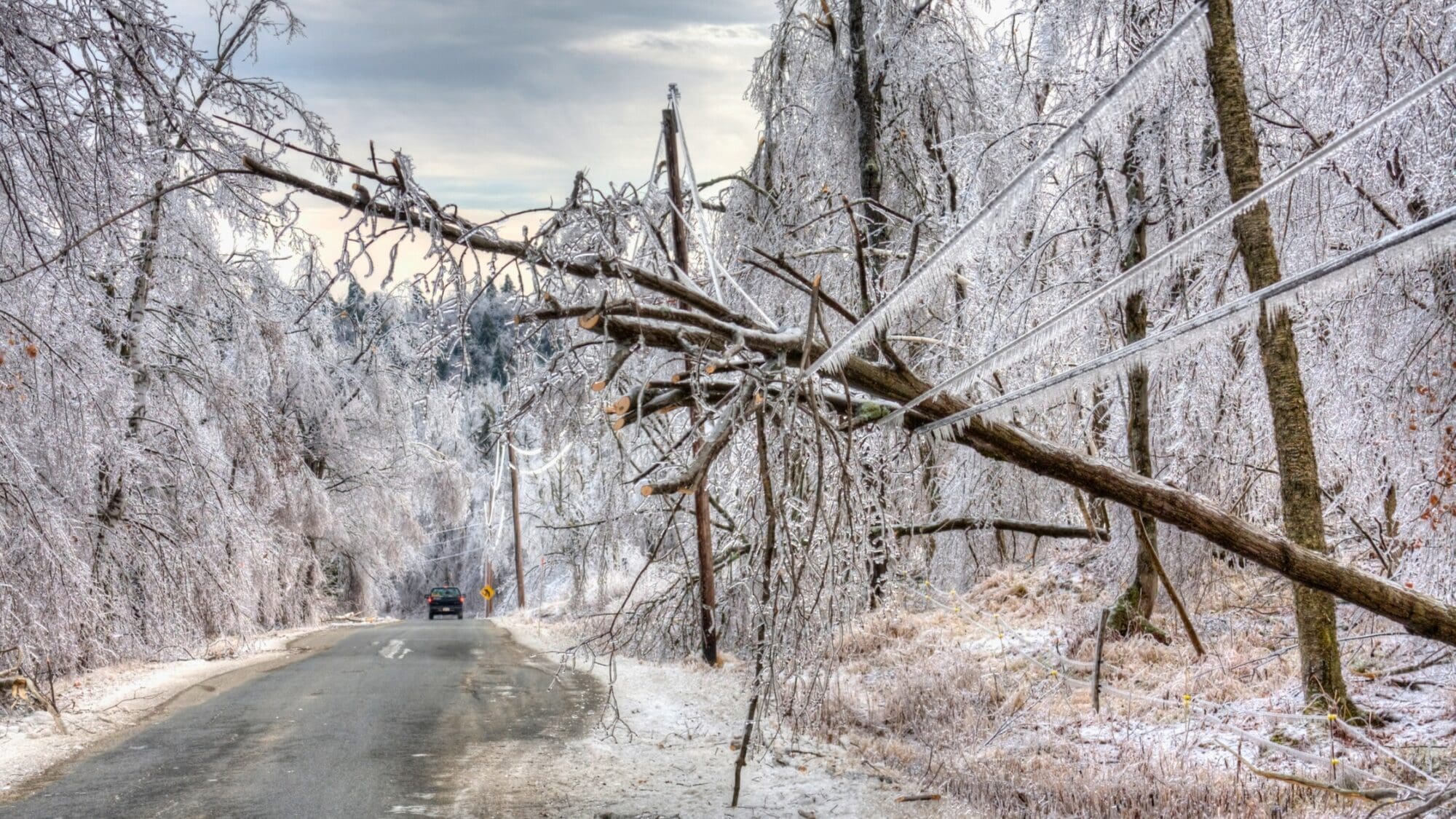
Winter storms in metro Atlanta, and the Southeast at large, are different from those in colder climates. We don’t just deal with snow — we deal with ice, and ice is what causes the most disruption. Heavy ice accumulates on trees and power lines, leading to widespread outages, blocked roads, and delayed emergency response.
With Winter Storm Fern predicted to bring significant icing and the potential for prolonged power outages, now is the time to prepare for an ice storm. The steps you take before the storm arrives can dramatically improve safety, comfort, and peace of mind.
Below is a Southeast-specific guide, complete with checklists, to help you prepare your home, family, and property.
Why Ice Storms Are Especially Dangerous in the Southeast
- Trees often retain leaves longer into winter, increasing ice load
- Infrastructure is not designed for sustained freezing conditions
- Roads and bridges ice over quickly
- Power restoration can take days, not hours
Preparation isn’t panic — it’s protection.
1. Power Outage Preparation (Your Top Priority)
Ice storms commonly cause extended power outages due to downed trees and power lines.
Power Outage Checklist
- ☐ Fully charge phones, tablets, laptops, and battery packs
- ☐ Place flashlights or lanterns in every major room
- ☐ Avoid candles if possible (fire risk increases during outages)
- ☐ Freeze gallon jugs of water to help keep freezers cold
- ☐ Plan to keep refrigerator and freezer doors closed
- ☐ Unplug sensitive electronics before the storm
- ☐ Gather blankets, sleeping bags, hats, and gloves
- ☐ Identify one room to “camp in” if heat is lost
Tip: A full freezer can stay cold for up to 48 hours if unopened.
2. Heating Safety: Stay Warm Without Risk
Improvised heating is one of the biggest dangers during power outages. Focus on safe warmth and proper ventilation.
Safe Heating Options
- ✓ Fireplaces that are properly vented and maintained
- ✓ Indoor-rated space heaters with tip-over protection
- ✓ Wear layered clothing and insulate one room
Never Do This
- ❌ Use grills, camp stoves, or generators indoors or in garages
- ❌ Run a generator near windows or doors
- ❌ Leave space heaters unattended
- ❌ Block vents or airflow
Carbon Monoxide Safety Checklist
- ☐ Test carbon monoxide detectors
- ☐ Replace batteries if needed
- ☐ Ensure detectors are installed on every level of the home
3. Water & Food Readiness
Ice storms can limit access to stores and may affect water pressure. A simple stock-up now reduces stress later.
Water Checklist
- ☐ Store at least 1 gallon per person per day for 3–5 days
- ☐ Fill bathtubs or containers for toilet flushing
- ☐ Use disposable plates/utensils to reduce water use
Food Checklist
- ☐ 3–5 days of no-cook or low-cook foods
- ☐ Canned soups, tuna, beans (manual can opener!)
- ☐ Peanut butter, crackers, protein bars, nuts
- ☐ Baby food or special-diet items if needed
4. Preventing Frozen & Burst Pipes During a Power Outage
One of the most expensive risks during an ice storm is burst water pipes. When power is lost and temperatures drop, pipes in walls, attics, garages, and crawl spaces can freeze and rupture — often causing severe damage once water service is restored.
If you expect a prolonged outage or won’t be home, shutting off the main water supply and draining the system can significantly reduce this risk.
Option 1: Keep Pipes Warm (Short Outages)
- ☐ Let faucets drip slowly (hot and cold)
- ☐ Open cabinet doors under sinks
- ☐ Close garage doors and insulate exposed pipes
- ☐ Keep interior doors open to improve heat flow
Option 2: Shut Off Water & Drain Pipes (Best for Longer Outages)
Step-by-Step: How to Shut Off and Drain Your Home’s Water Lines
- Locate your main water shutoff valve (often in a garage, crawl space, basement, or near the street)
- Turn off the main valve completely
- Turn off the water heater:
- Electric: switch the breaker off
- Gas: set to “pilot” or “off”
- Open all faucets, starting at the highest level of the home and working downward
- Flush toilets once to empty tanks
- Open outdoor spigots to drain exterior lines
- Leave faucets open until temperatures rise and power returns
When to Turn the Water Back On
- ☐ Confirm temperatures are above freezing
- ☐ Close all faucets and spigots
- ☐ Slowly reopen the main shutoff valve
- ☐ Check carefully for leaks as pressure returns
If you notice leaks, reduced pressure, or unusual sounds, shut the valve back off and contact a plumber.
Insurance Tip
- ☐ Take photos of your home and valuables before the storm
- ☐ Review your homeowners policy and deductibles
5. Vehicle & Transportation Preparation
Ice makes metro Atlanta roads extremely hazardous — often worse than snow. If you don’t have to drive, don’t.
Vehicle Checklist
- ☐ Fill gas tanks before the storm
- ☐ Top off windshield washer fluid (freeze-rated)
- ☐ Park away from large trees if possible
- ☐ Assemble an emergency car kit:
- Blanket
- Flashlight
- Phone charger (12V)
- Ice scraper
- Bottled water
Important: Bridges and overpasses freeze first.
6. Protecting Your Home & Property
Ice storms frequently cause property damage from falling trees and burst pipes. A few simple steps now can prevent bigger problems.
Home Protection Checklist
- ☐ Secure loose outdoor items
- ☐ Move vehicles away from large limbs
- ☐ Trim dead or weakened tree limbs if time allows
- ☐ Clear gutters and downspouts so melting ice can drain properly
- ☐ Close garage doors and seal obvious drafts around doors and windows
7. Communication & Emergency Information
During major outages, cell service and internet can be unreliable. Set up a simple backup plan in advance.
Communication Checklist
- ☐ Enable emergency alerts on phones
- ☐ Choose one out-of-area contact for family updates
- ☐ Keep a battery-powered or hand-crank radio
- ☐ Follow local utilities and county emergency management online before the storm
8. Family & Pet Planning
Everyone in the household should know the plan — including what to do if the power goes out at night.
Family Checklist
- ☐ Everyone knows where flashlights are stored
- ☐ Emergency numbers are written down
- ☐ Children understand what to do if power goes out
Pet Checklist
- ☐ Extra food and any medications
- ☐ Warm bedding
- ☐ Bring outdoor pets inside before icing begins
Final Thoughts: How To Prepare For An Ice Storm And 48–72 Hours Without Power
Ice storms in metro Atlanta often lead to longer outages than snowstorms, and restoration efforts may be delayed until conditions are safe. Preparing for 2–3 days minimum without power is realistic — and smart.
Preparation isn’t about fear. It’s about protecting your family, your home, and your peace of mind.